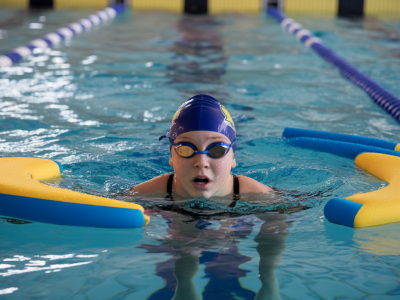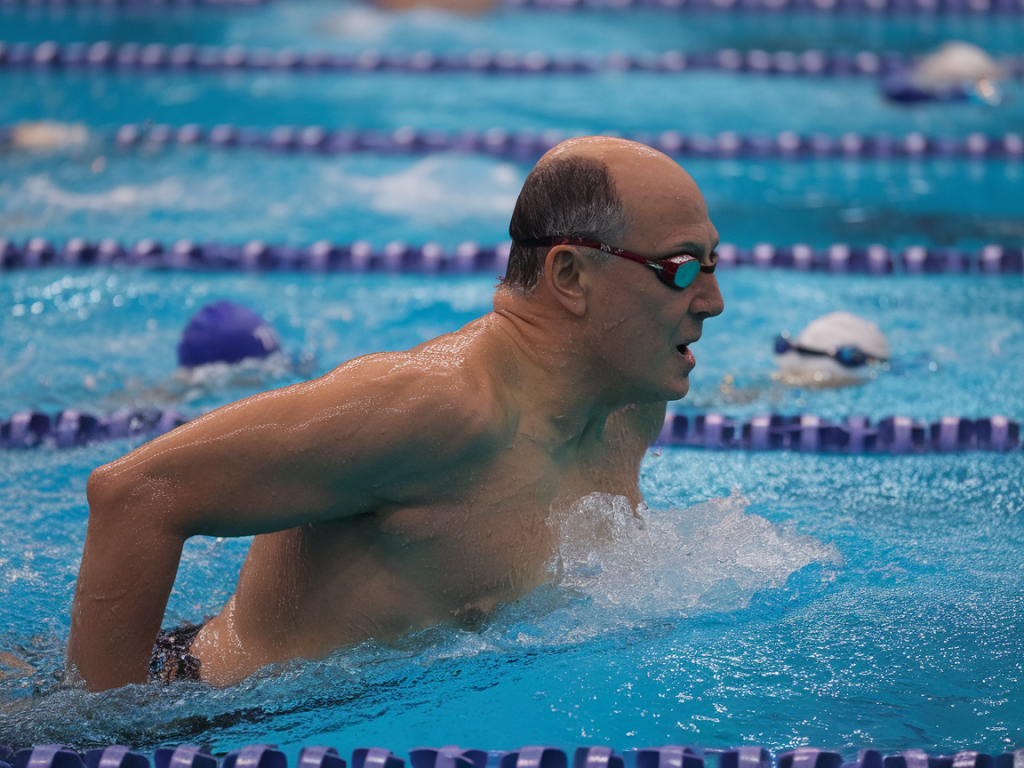
I want to share a recent case study from our Masters squad that taught me a lot about patience, structure, and the power of small, consistent habits. Last season we had a swimmer—I'll call him Mark—who took nearly a year away from structured training. Between work pressures, a minor surgery, and the temptation to "rest," he disappeared from the pool. When he returned, he wanted to get his speed back fast. This is the story of how he did it, what worked, what didn't, and what Bishopsworth Swimming Club learned about supporting Masters swimmers through interrupted training.
Who Mark is and why his comeback matters
Mark is a 48-year-old competitive Masters swimmer who used to post solid times in the 50–200m freestyle and fly events. He's not an elite athlete, but he's disciplined, motivated, and loves racing. After a year off, his aerobic base and confidence were down, his stroke felt "off," and he was anxious about returning to competition. That nervousness is common—I've seen it in other members returning from injury, parenthood, or career changes. Helping Mark climb back to form became a microcosm of how we can support adult swimmers with life interruptions.
Initial assessment: baseline matters more than ego
The first thing I did was assess, without drama. We did a short battery over two sessions:
What I found was typical: reduced turnover on sprint efforts, sloppy streamlines, slightly slower breakout splits, and a lingering fear of sprinting hard. His 100m times were 6–8% slower than his pre-break bests—which in Masters terms can feel enormous.
Setting realistic goals together
We agreed goals in three domains: physical, technical, and psychological. Goals were time-bound and modest to avoid discouragement:
These goals gave structure and allowed progress markers that weren’t only "faster times." For Masters swimmers, rebuilding confidence is as important as rebuilding VO2 max.
Training plan highlights (first 12 weeks)
I tailored a plan that balanced progression with recovery. Here's a simplified 12-week block we used—useful for any Masters swimmer returning from a significant layoff. (I monitored load carefully; sessions were adjusted to Mark’s response.)
| Week | Main focus | Typical session content (examples) |
|---|---|---|
| 1–2 | Re-introduction & technique | Short swims, drills (catch-up, scull), 8–10 x 50 easy with drills, 4 x 25 sprints off 1min rest |
| 3–5 | Build aerobic base | 3 x week: 10–12 x 100 at tempo with 15–20s rest; 1 stroke/skill session; 1 dryland mobility |
| 6–8 | Threshold & speed endurance | 6 x 75 at 95% race pace; mixed IM sets; starts and turns practice; sprint sets 8 x 50 fast |
| 9–12 | Race prep & taper | Race-pace sets, relay changeovers, race warm-ups, reduced volume but preserved intensity |
Key details: We prioritized quality over volume. For a swimmer returning from long rest, lots of easy miles can feel safe but doesn't restore speed. Conversely, too much high intensity jars the system. I used 2–3 higher-intensity sessions per week and filled the rest with technique and aerobic swims. Dryland strength—bodyweight core work and hip mobility—was included twice weekly. Mark used a Tempo Trainer and a simple resistance band for land drills; nothing fancy was required.
Technical work that made the biggest difference
Two technical corrections produced disproportionately large gains:
I filmed Mark on a smartphone underwater (a cheap but powerful tool) and showed him side-by-side clips from before his break. Visual feedback—especially for Masters swimmers—accelerates motor learning. We also introduced one purposeful drill per stroke session (e.g., fingertip drag for relaxed hand recovery) to avoid overload.
Psychological tools: training the race-day mind
A huge barrier was fear of pushing hard and getting "blown up." To counter that, we worked on:
These small mental habits made race pace feel less scary and more controllable.
Nutrition, recovery, and practical supports
We encouraged small, practical recovery habits rather than deep dives into supplements:
We also scheduled check-ins. For Masters swimmers juggling jobs and families, flexibility matters. Sessions offered earlier or later in the evening and written alternatives for missed practices helped Mark stay consistent without guilt.
Results and what surprised me
After 12 weeks Mark shaved approximately 4–6% off his initial return times in the 50–100m events. He didn’t instantly return to pre-break personal bests, but his velocity and confidence rose markedly. Most importantly, he competed in a local meet and felt in control during his races rather than exhausted or anxious. Two surprises stood out for me:
Club-level lessons we applied
This case prompted changes in how we support Masters swimmers:
Most importantly, we reinforced a club culture that values process over immediate results. Celebrating regained comfort and small technical wins keeps swimmers engaged and reduces dropout after breaks.
If you’re a Masters swimmer returning from time off: be patient, emphasize technique and race-specific intensity, and build a predictable routine around key sessions. If you’re a coach: create simple, modular programs that balance quality with recovery and give athletes tools to own their return. What worked for Mark can work for many—especially when the club supports the small, consistent choices that add up to meaningful performance gains.