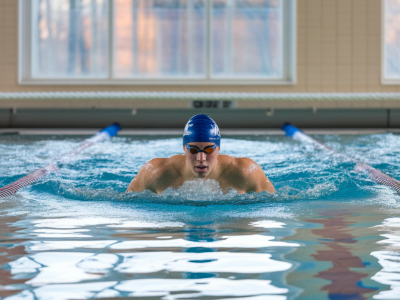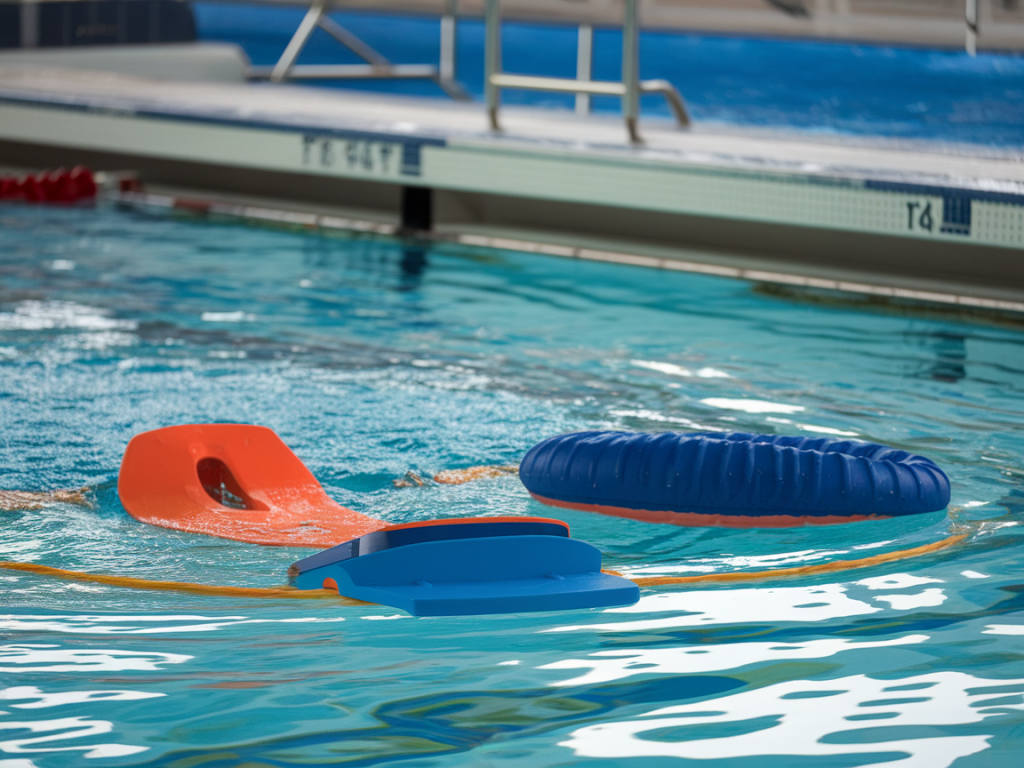
When I’m planning a season budget for Bishopsworth Swimming Club, one of the most practical — and surprisingly emotional — tasks is the equipment audit. Kickboards get chewed, pull buoys disappear into changing rooms, and Tempo Trainers seem to stop beeping on the morning of a gala. Over the years I’ve learned which models survive club life and which are false economies. In this piece I share what I look for when I’m buying for youth squads, masters lanes, or mixed sessions, and which specific kickboards, pull buoys and Tempo Trainers I keep re-ordering because they last.
What I value most for club purchases
Before we get into brands and models, here are the practical criteria I use — they guide every ordering decision and help justify the spend to our committee:
- Durability: can it survive dozens of swimmers, regular chlorine exposure and the occasional enthusiastic drop on a pool deck?
- Safety and comfort: edges, buoyancy and fit matter. A worn-out kickboard with sharp edges is a liability.
- Repairability / warranty: is it easy to patch or does the manufacturer offer a warranty?
- Value per year: not just the headline price, but cost divided by expected useful life.
- Functionality: does a piece of equipment serve multiple uses (drills, teaching, conditioning)?
- Replacement supply: are spares available easily and consistently?
Kickboards: which ones really survive club life
Kickboards get the most varied use — from tiny toddlers using them like flotation devices to elite junior squads hammering kick sets. My go-to characteristics are thick, closed-cell foam construction, rounded corners, and a textured surface. Thinner EVA boards look nice in catalogues but tear after a season.
Brands I trust:
- Speedo Kickboard (classic thick foam): a workhorse with closed-cell foam that resists waterlogging. Edges hold up well and you can stack them without damage.
- TYR Kickboard (Pro series): slightly firmer than some, so it’s great for stronger squads and masters swimmers who need a stable platform for ankle work.
- MP (Michael Phelps) Large Kickboard: robust and slightly larger, good for adult lanes where kids might otherwise sink the board.
Common problems and fixes:
- Delamination or surface peeling — usually cosmetic; tape or surfboard repair kits can patch small areas.
- Edges tearing — a hot glue bead and some vinyl tape can extend life by months.
- Lost kickboards — put a club sticker and an inventory number on each board; we’ve recovered several that way.
Pull buoys: what shape and material last longest?
Pull buoys are deceptively simple but endure heavy knocks when they’re tossed into bags and communal equipment bins. I prefer closed-cell polyethylene or EVA that resists permanent denting and chemical fatigue. The classic hourglass shape remains best for most body sizes, but I keep a couple of larger models for taller swimmers.
Models on my re-order list:
- Speedo Pull Buoy (white foam): dense, durable and holds shape well. Easy to grip and lightweight.
- TYR Pull Buoy (large): thicker waist section gives better buoyancy for heavier swimmers.
- Finis Pull Buoy (adult size): designed for comfort between the thighs and resists abrasion from swimwear seams and crotch areas.
Maintenance tips:
- Rinse pull buoys in fresh water after heavy chlorine exposure and leave to dry in shade.
- Label each buoy with a permanent marker and a club sticker. Buoys don’t “vanish” as readily when they have your logo.
- Replace before they crack — a fractured pull buoy is a safety problem (sharp edges).
Tempo Trainers: which models are worth the money?
Tempo Trainers (or interval timers) are small but expensive. Clubs often buy cheaper knock-offs that die within a year. I prioritize models with solid water sealing, replaceable batteries, and a simple interface that swimmers can understand mid-set.
Models that have lasted for me:
- FINIS Tempo Trainer Pro: robust O-ring seal, tactile buttons, and it clips well to goggles or caps. We’ve had units survive three seasons with minimal issues.
- MP (Swimovate) Tempo Trainer: reliable beep and vibration settings; easy to reset. Replacement batteries are standard CR2032, which makes on-the-spot fixes straightforward.
- Seiko/Professional swim timers (higher-end): more expensive but built to last for clubs that run timed lanes and want something that will last 5+ years.
Practical advice for clubs:
- Buy spares: a club set of 6+ Tempo Trainers plus two backups reduces session disruption when one fails.
- Stock batteries and teach coaches to replace them. A dead timer shouldn’t mean you cancel the set.
- Use protective cases for storage — it’s surprising how often damp equipment and plastic pouches short out electronics.
Cost vs lifespan comparison
| Item | Recommended models | Expected lifespan (club use) | Price range (per item) | Notes |
|---|---|---|---|---|
| Kickboard | Speedo classic / TYR Pro / MP Large | 2–5 years | £8–£25 | Closed-cell foam lasts longer; rounded edges reduce tearing |
| Pull buoy | Speedo / TYR large / Finis adult | 3–6 years | £6–£20 | Dense EVA or polyethylene resists dents and cracks |
| Tempo Trainer | FINIS Tempo Trainer Pro / MP / Swimovate | 2–4 years (consumer), 4–7+ (pro models) | £20–£120 | Higher upfront cost but lower replacement frequency; keep spares |
How I plan replacements in the club budget
I run a simple replacement schedule that helps our treasurer and committee see the long-term cost. For each equipment type I estimate a median lifespan (based on past experience) and set an annual replacement fund equal to price ÷ lifespan × quantity we want to maintain. Example: if a quality kickboard costs £15 and we need 30 on poolside, with a 4-year lifespan, we budget £112.50 per year for kickboards. Multiply that by equipment categories and you have a predictable, defendable number to ask the committee to approve.
I also build a small “emergency kit” into the budget: spare batteries, duct tape, a patch kit for boards, and two replacement Tempo Trainers. Those small items have saved entire sessions more than once.
Quick checklist to use before you order
- Decide target lifespan and buy the model that matches it — sometimes cheap is false economy.
- Choose a small set of models across the club to simplify spares and signage.
- Label every item with club branding and an inventory number.
- Train coaches to do quick maintenance: rinse, dry, and check for fractures after sessions.
- Keep a simple replacement budget and an emergency kit for on-the-day fixes.
Equipment purchasing for a community club is about stretching every pound without compromising safety or coaching outcomes. Over the years I’ve learned to trust a slightly higher upfront spend on items that demonstrably survive the chaos of busy lanes — and to treat small maintenance items as part of the recurring cost, not an optional extra. If you want, I can share an editable spreadsheet we use to plan replacement cycles and show the math to your committee.