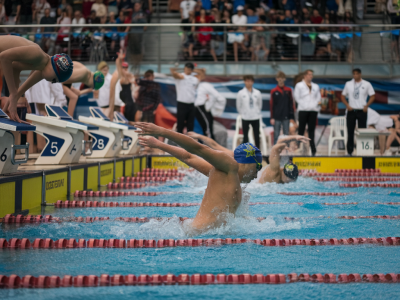
I still remember my first coaching block of early-morning practices: groggy parents, sleepy teenagers, and a group of masters swimmers who arrived with unwavering determination — and often with questions about what to eat before the session. Over the years I’ve learned that the right pre-morning-fuel makes the difference between a productive session and a slog. Here’s what I tell the youth swimmers and masters at Bishopsworth Swimming Club when they ask, “What should I eat before a morning swim?” — practical, realistic advice you can use tomorrow.
Why pre-swim fuel matters
Training early in the morning puts swimmers in a unique metabolic situation. After 8–12 hours of overnight fasting, liver glycogen (the body’s readily available carbohydrate store) is partially reduced. For sessions that are moderate-to-high intensity, or longer than 45–60 minutes, starting with some carbohydrate can improve power, endurance, and focus.
For youth swimmers, fuel also supports growth and recovery — they’re not just training, they’re developing. For masters swimmers, age-related changes in metabolism and sometimes longer recovery times make consistent fueling even more important to maintain intensity and prevent excessive fatigue.
General principles I follow with athletes
Timing and portion guide
Here’s the rule of thumb I use with our squads:
Practical snack and meal ideas
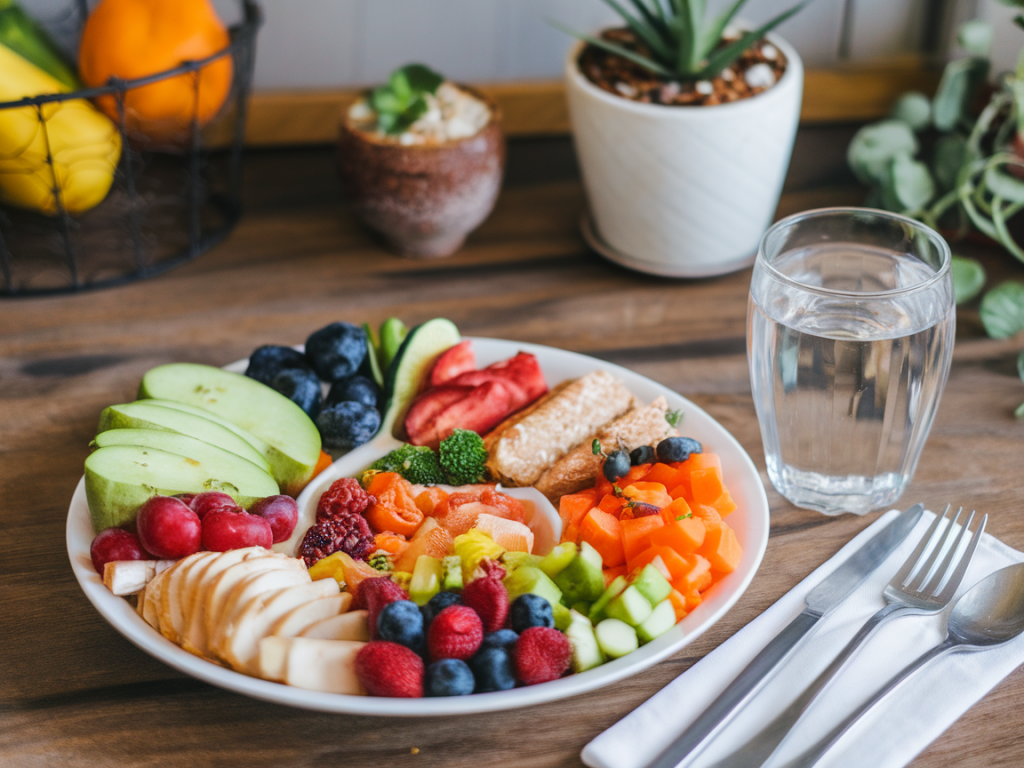
Below are realistic options that work for both youth and masters. I’ve coached swimmers with early lanes, parents racing to prep bags, and masters who need quick options before leaving for work — these are chosen with that practical reality in mind.
| Time before practice | Snack/Meal | Why it works |
|---|---|---|
| 2–3 hours | Porridge with milk and sliced banana + small spoon of honey | Slow-release carbs, some protein, very filling |
| 60–90 minutes | Wholemeal toast with jam or peanut butter (thin) + a small yogurt | Accessible carbs + a bit of protein to steady energy |
| 30–45 minutes | Banana or a small cereal bar (e.g., Nakd, KIND) + water | Quick carbs that digest fast and reduce stomach load |
| Under 30 minutes | 150–200 ml sports drink (e.g., Lucozade Sport) or a 50–60 g rice cake | Rapid energy without bulk — good for nervous swimmers |
| After morning session | Chocolate milk or a smoothie with fruit + protein | Good balance of carbs and protein to start recovery |
Examples tailored for youth swimmers
Youth athletes often have limited appetites early in the morning — but they can still get useful fuel in:
Examples tailored for masters swimmers
Masters frequently juggle training with work and family. For them, I emphasise quality and practical prep:
Hydration and caffeine
I always tell swimmers: hydrate before you hydrate in the pool. A common routine I recommend is 200–300 ml of water on waking, followed by another 200–300 ml up to 30 minutes before stepping onto poolside. For long sessions or in hot pools, include an electrolyte drink.
About caffeine: a small cup of coffee can sharpen focus and reduce perceived exertion for some masters and older youth, but be cautious with teenagers — too much can increase anxiety, disrupt sleep, and cause tummy trouble. If you use caffeine, test it in training first, not on race day.
What to avoid
Quick morning checklist I share with parents and swimmers
I’ve seen swimmers transform their training simply by adjusting their pre-swim fuel. Little things — a banana instead of nothing; a porridge instead of a sugar-laden cereal — add up to sharper sets, better focus, and faster recovery. If you’re not sure what works for your swimmer, try small experiments over two weeks and keep a simple log: what they ate, how they felt in the session, and any stomach issues. You’ll figure out a routine that fits your life, your training times, and your taste buds.