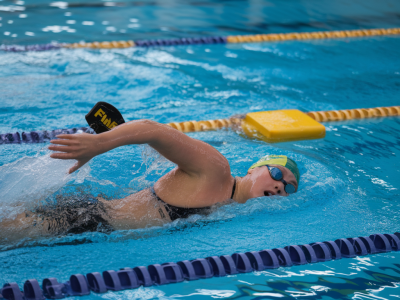
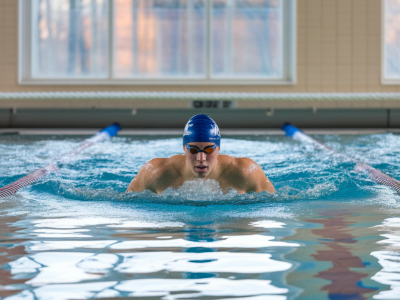
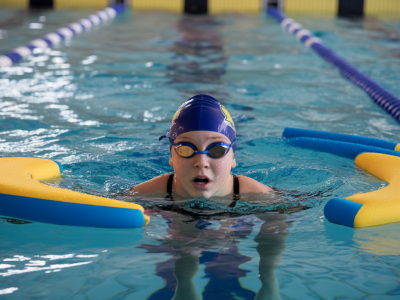
When I coach relay changeovers, I want two things above all: fast takes and calm swimmers. Using video timing transforms chaotic practices into measurable, repeatable improvements — and it keeps stress low because swimmers can see exactly what they did and how small changes add up. Below is my...
Jan 18, 2026
• by Éloïse Durand
Latest News from Bishopsworthswimmingclub Co

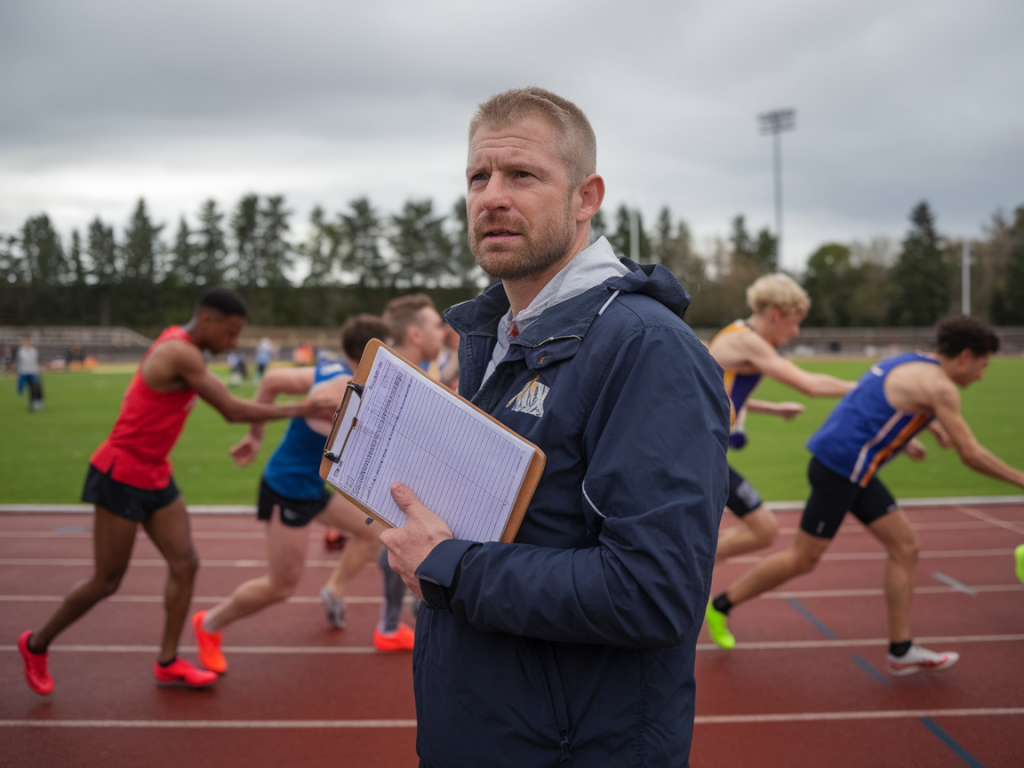
I run time trial days at Bishopsworth Swimming Club because they’re an incredibly useful tool: we get honest data on where swimmers are, coaches can plan training blocks, and athletes get a low-pressure opportunity to test race pace. Over the years I’ve learned how to structure a time trial so results are reliable and stress is kept to a minimum. Below I share the practical plan I use, the...
Read more...
Putting on a club open meet can feel like juggling a dozen lane ropes at once — exciting, chaotic, and utterly rewarding when everything clicks. Over the years at Bishopsworth Swimming Club, I've run multiple open meets using free meet management tools and simple volunteer checklists that turn nervous volunteers into a calm, efficient team. In this piece I’ll walk you through the practical...
Read more...
I remember the first masters session I ever coached where the lane looked like a busy roundabout at rush hour: three swimmers clustering at the wall, two trying to sprint, one doing relaxed drills across the middle of the lane, and everyone yelling “clear!” at slightly different times. After that session I made a simple decision — teach three basic lane etiquette rules to every new member...
Read more...
Hitting a backstroke plateau is one of those small-but-persistent frustrations that I see again and again with swimmers I coach — and with my own training. You feel fitter, you tweak technique, you trust the process... and then the times stall. Over the years I’ve put together a pragmatic 12-week plan that blends focused in-pool work with dryland strength and mobility to nudge that needle...
Read more...
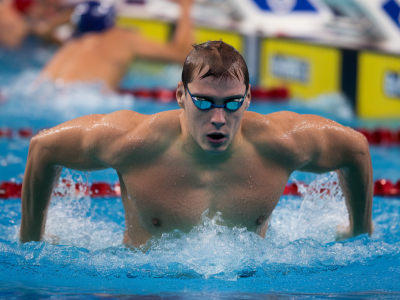
I’ve always believed that races are won and lost in tiny margins — the split-second decisions, the angle of a push, the timing of a breakout. Over the years coaching youth squads and masters swimmers at Bishopsworth, I’ve seen the 100m freestyle start transformed by targeted land work and reaction training. Plyometrics and reaction drills don’t just make you jump higher; they make you...
Read more...
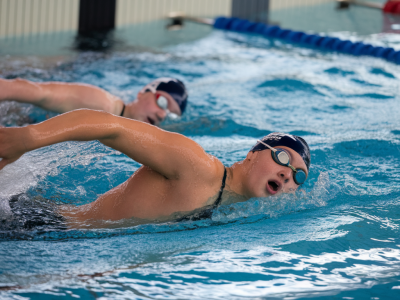
When I first started coaching swimmers struggling with bilateral breathing, I noticed a pattern: they either tried to force a 3-beat breath or avoided it completely. Bilateral breathing should feel like a natural tool — not a chore. Over the years at Bishopsworth Swimming Club, I’ve developed a set of progressive breathing drills that rebuild confidence, timing, and symmetry in freestyle....
Read more...
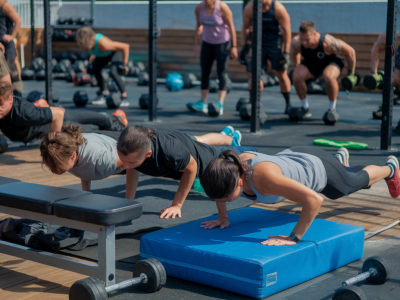
Designing training sets that keep swimmers of different abilities engaged and getting better is one of my favourite — and trickiest — parts of coaching. At Bishopsworth Swimming Club I see wide ranges of speed, technique and training history in every session. If you’re running a mixed-age or mixed-ability session, you don’t want anyone standing around bored or, worse, being pushed so hard...
Read more...
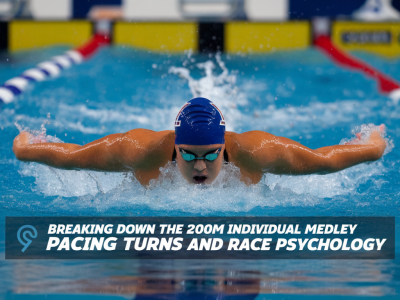
I still remember my first 200 IM race as a junior — that nervous mix of excitement and dread as I stood behind the blocks, knowing I had to swim four different strokes well enough to hang on. Over the years I’ve coached dozens of swimmers through this event, from kids trying their first IM to masters athletes chasing a PB. The 200m IM is a beautiful test of technique, pacing, turns, and...
Read more...
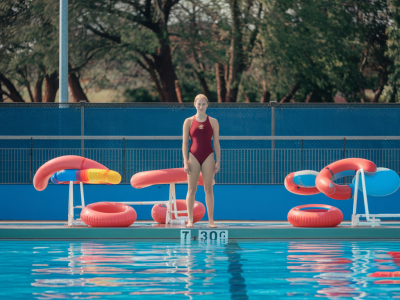
When a parent brings their child to their first trial at a swim club, there’s a mix of excitement and nervousness in the changing room that I know well. As a coach and long-time swimmer, I’ve seen thousands of first-timers and fielded the questions parents forget to ask when nerves take over. Below I share the practical questions I think every parent should ask — and the things to watch for...
Read more...